
A Sky-High Revolution in Creativity
Picture this: a golden sunrise bathes a sprawling cityscape, the first light reflecting off skyscrapers while the streets below hum with early morning life. Now imagine capturing that moment—not from the ground, but from hundreds of feet in the air, where the entire scene unfolds like a living painting. This is the magic of drone photography, a transformative art form redefining how we see the world. Drones have taken photography to new heights, literally and figuratively, allowing both amateurs and professionals to explore perspectives once reserved for helicopters or planes. In this blog post, we’ll soar into the captivating realm of drone photography, uncovering its techniques, applications, and the boundless creativity it unlocks. Whether you’re an aspiring photographer or simply curious about this aerial revolution, join me as we explore why drone photography is more than a trend—it’s a new way of seeing.
What makes drone Photography So Special?
Drone photography is the art of capturing images and videos using unmanned aerial vehicles (UAVs) equipped with cameras. Unlike traditional photography, which is limited by the photographer’s physical position, drones offer a bird’s-eye view, revealing patterns, landscapes, and otherwise inaccessible angles. A drone like the DJI Mini 4 Pro, similar to the one you shared earlier, can capture stunning 4K images and videos, all while being compact enough to fit in a backpack.
The process starts with planning. Photographers must consider their subject, the time of day for optimal lighting, and local regulations—more on that later. Once airborne, the drone’s camera captures high-resolution images or footage, often controlled via a smartphone app or remote controller. Many drones also offer features like automated flight paths, allowing photographers to focus on composition rather than piloting. Post-processing in software like Adobe Lightroom or Photoshop enhances the images, bringing out vibrant colours and fine details.
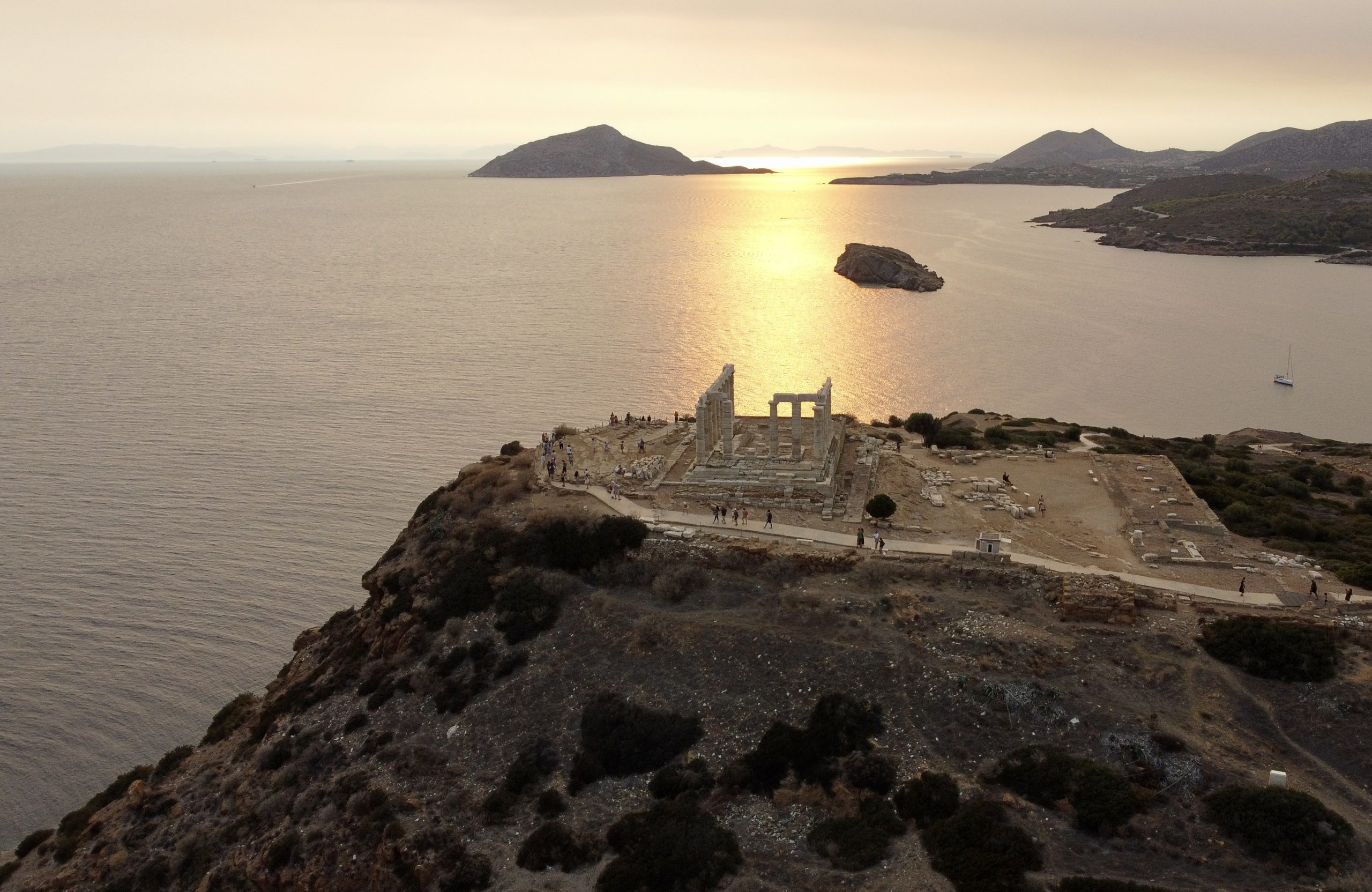
What sets drone photography apart is its ability to tell stories from unique perspectives. A beach shot from above might reveal the rhythmic patterns of waves, while a forest canopy can showcase the intricate tapestry of nature. As drone technology advances, with cameras boasting higher resolutions and better stabilization, the possibilities for creativity are endless.
Techniques to Elevate Your Drone Photography
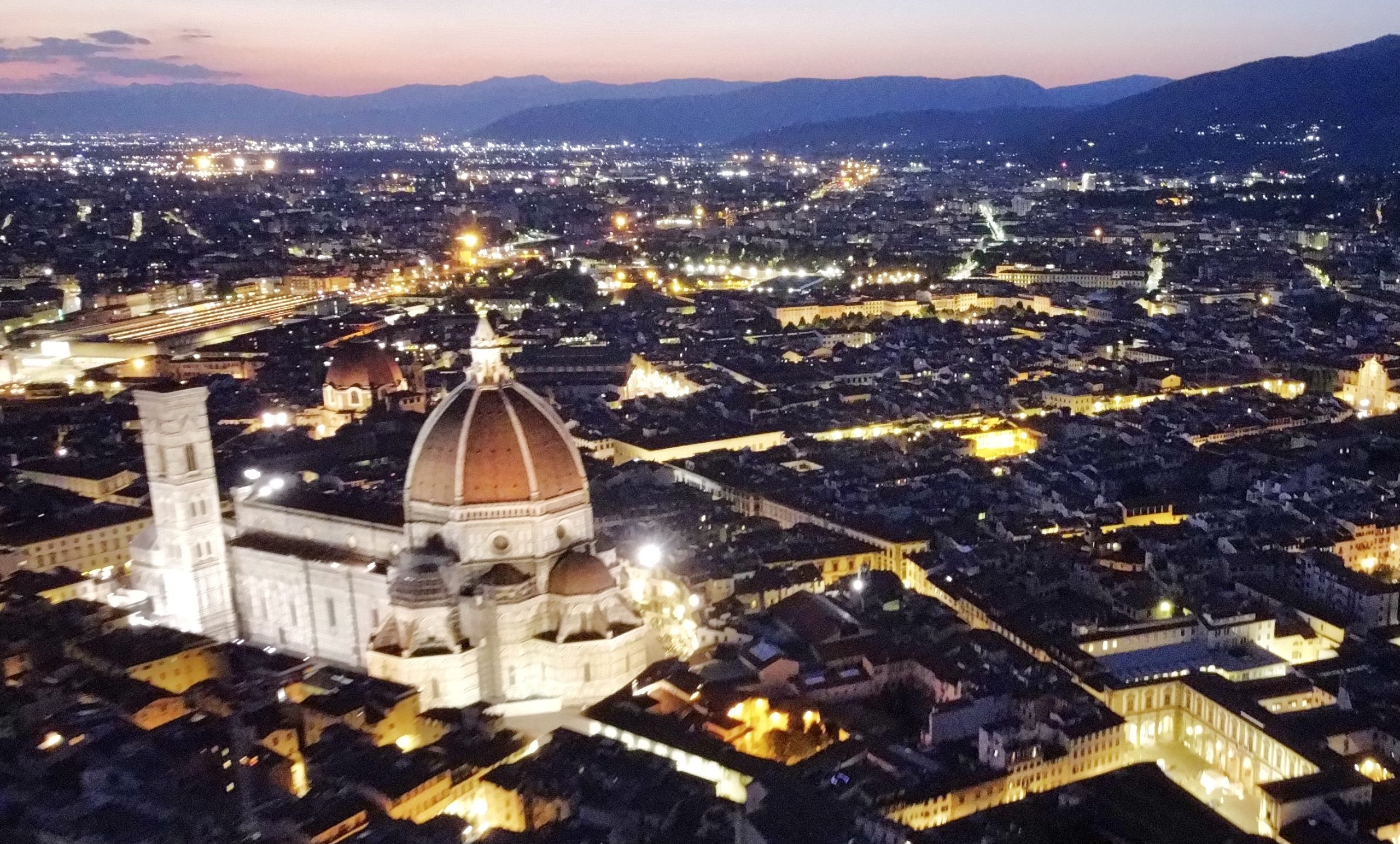
Mastering a few key techniques is essential to creating stunning drone photography. First, plan your shoot meticulously. Scout your location using tools like Google Earth to identify potential vantage points. The golden hour—shortly after sunrise or before sunset—offers soft, warm lighting that can make your images pop, as noted by many photographers on platforms like Pexels. For example, the cityscape you shared, with its glowing lights at dusk, perfectly captures the magic of this time of day.
Next, experiment with angles and altitudes. Flying at different heights can dramatically change the narrative of your image. A low-altitude shot might emphasize the texture of a field, while a high-altitude shot can capture the sprawling expanse of a city. Try tilting the camera downward for a straight top-down view, or angle it slightly to include the horizon for depth. For instance, the DJI Mini 4 Pro’s gimbal allows for smooth adjustments mid-flight, giving you flexibility to find the perfect angle.
Composition is king. Apply classic photography rules like the rule of thirds—position your subject off-center to create balance, or use leading lines, such as a winding river or road, to guide the viewer’s eye. Drones also excel at capturing symmetry, like the grid-like layout of a city or the natural patterns of a coastline. Don’t be afraid to experiment; the freedom of flight lets you explore compositions that ground-based photography can’t.
Finally, master your drone’s settings. Adjust the camera’s exposure to handle bright skies or dark shadows, and use a low ISO to reduce noise in your images. Many drones also offer HDR modes, which blend multiple exposures for richer detail. If you’re shooting video, maintain smooth movements by avoiding sudden jerks—some drones have intelligent flight modes like “Cinematic Mode” to help with this.
Applications That Inspire and Innovate
Drone photography isn’t just about aesthetics; it’s a powerful tool across industries. In real estate, drones are revolutionizing property marketing. Aerial shots showcase entire estates, highlighting features like sprawling gardens or waterfront views that ground-level photos miss. A study from the National Association of Realtors noted that listings with aerial imagery sell 68% faster than those without, as buyers are drawn to the comprehensive perspective drones provide.
Travel and adventure photography have also been transformed. Drones capture the grandeur of destinations in ways that resonate deeply with audiences. Imagine a drone shot of Machu Picchu, the ancient ruins framed by misty mountains, or a video panning over the Great Barrier Reef, revealing its vibrant corals from above. Travel bloggers and influencers often use drones to create jaw-dropping content, as seen in countless posts on X, where aerial shots consistently garner high engagement.
Drones play a crucial role in environmental storytelling. Photographers document climate change, deforestation, or wildlife habitats with striking visuals that raise awareness. For instance, juxtaposed with historical photos, a drone image of a shrinking glacier can powerfully illustrate environmental decline. Organizations like the World Wildlife Fund have used drone photography to highlight conservation efforts, making abstract issues tangible and urgent.
Events and weddings are another growing niche. Drones capture group shots or sweeping videos of venues, adding a cinematic flair to memories. A drone hovering over a beach wedding, filming the couple as waves crash in the background, creates a moment that feels straight out of a movie. Couples increasingly request drone coverage, with wedding photographers reporting a 30% uptick in demand for aerial shots, according to industry trends.
Challenges and Best Practices
While drone photography is exhilarating, it comes with challenges. Regulations are a big one—most countries require drone pilots to follow strict rules. In the U.S., the FAA mandates that drones stay below 400 feet, remain within visual line of sight, and avoid restricted areas like airports. Commercial use often requires a Part 107 license. Always check local laws before flying, as non-compliance can lead to hefty fines.
Weather and battery life are practical hurdles. Windy conditions can destabilize your drone, while cold temperatures drain batteries faster. Most consumer drones offer 20-30 minutes of flight time, so plan your shots efficiently. Always carry spare batteries and monitor weather forecasts.
Safety and ethics are paramount. Avoid flying over crowds or private property without permission, and respect wildlife—drones can disturb animals if flown too close. Transparency with clients or subjects about your drone use also builds trust, especially in sensitive settings like weddings or cultural sites.
Soaring Beyond the Horizon
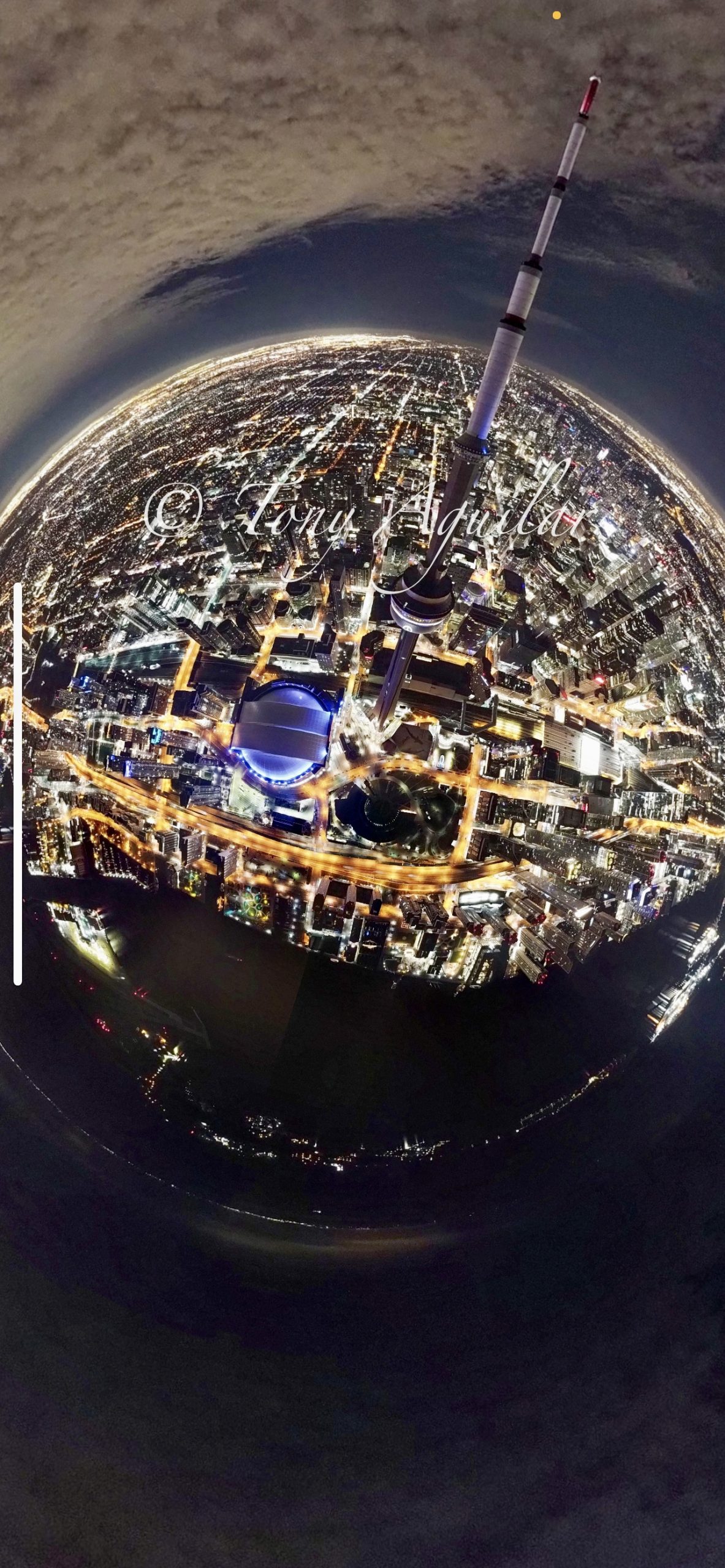
Drone photography is more than a technological marvel—it’s a gateway to creativity, innovation, and storytelling. From the breathtaking cityscape you shared, with its twinkling lights captured in a fisheye lens, to the endless possibilities of landscapes, events, and environmental narratives, drones empower us to see the world anew. They break the barriers of traditional photography, offering perspectives that inspire awe and spark connection.
As you embark on your own drone photography journey, start small but dream big. Experiment with angles, chase the perfect light, and let your creativity take flight. The tools are more accessible than ever, and the community, on platforms like X or photography forums, is eager to share tips and inspiration. Whether capturing a local park or a far-flung adventure, each flight is a chance to tell a resonant story.
So, grab your drone, chart your course, and soar into this sky-high art form. The world is waiting to be seen through your lens—let’s capture it, one breathtaking shot at a time. As GTA Drone Mapping might say, “Map It, Snap It, Drone It!”—and let your vision take wing.